Add subscriptions
Flexible subscription system with configurable AI models, usage limits, and scalable creator-focused pricing.
Self-hosted systems, creative tools, and engine work
Full-stack developer working across Flask, HTMX, Nuxt, Docker, Caddy, and C++ rendering systems.
This portfolio is open source: view the Nuxt build Hero textures were made with ChromaForge.
Currently building
The next pass is focused on better PBR map control, clearer preview feedback, stronger texture presets, and a smoother path from generated material to usable asset.
Next up: Add subscriptions
Flexible subscription system with configurable AI models, usage limits, and scalable creator-focused pricing.
Dynamic AI model routing with configurable quality tiers, fallback systems, and scalable generation pipelines.
Filter by status, date, and whether PBR packs were included.
Upgrading the manual image upload process to process files in bulk.
Use a worker-backed queue instead of in-process threads before production load grows.
Let users save common pipeline shapes like `Reference cleanup only`, `Texture + PBR`, and `Studio full pass`.
Currently building
The current focus is on world generation, chunk streaming, lighting propagation, crafting, inventory sync, and making vanilla Minecraft clients talk to a custom Node.js server.
Next up: Native 26.1.2 Port
Implementing enough of the Minecraft protocol for vanilla Java clients to connect and explore the world.
Generating custom terrain with height-based biome bands, trees, flowers, snow, caves, and varied landscapes.
Moving heavy chunk generation and lighting work onto worker threads for much faster world loading.
Debugging and improving sky lighting across slopes, caves, chunk borders, and modern world-height sections.
Remove shims and prove that Ragecraft can boot cleanly on a native 26.1.2 Prismarine base with the local compatibility rewriters disabled.
Next steps include smoother mob behaviour, better block interactions, improved persistence, and more complete survival systems.
Built, shipped, tested, rebuilt
Live apps, creative tools, engine work, and the experiments that shaped the current stack.
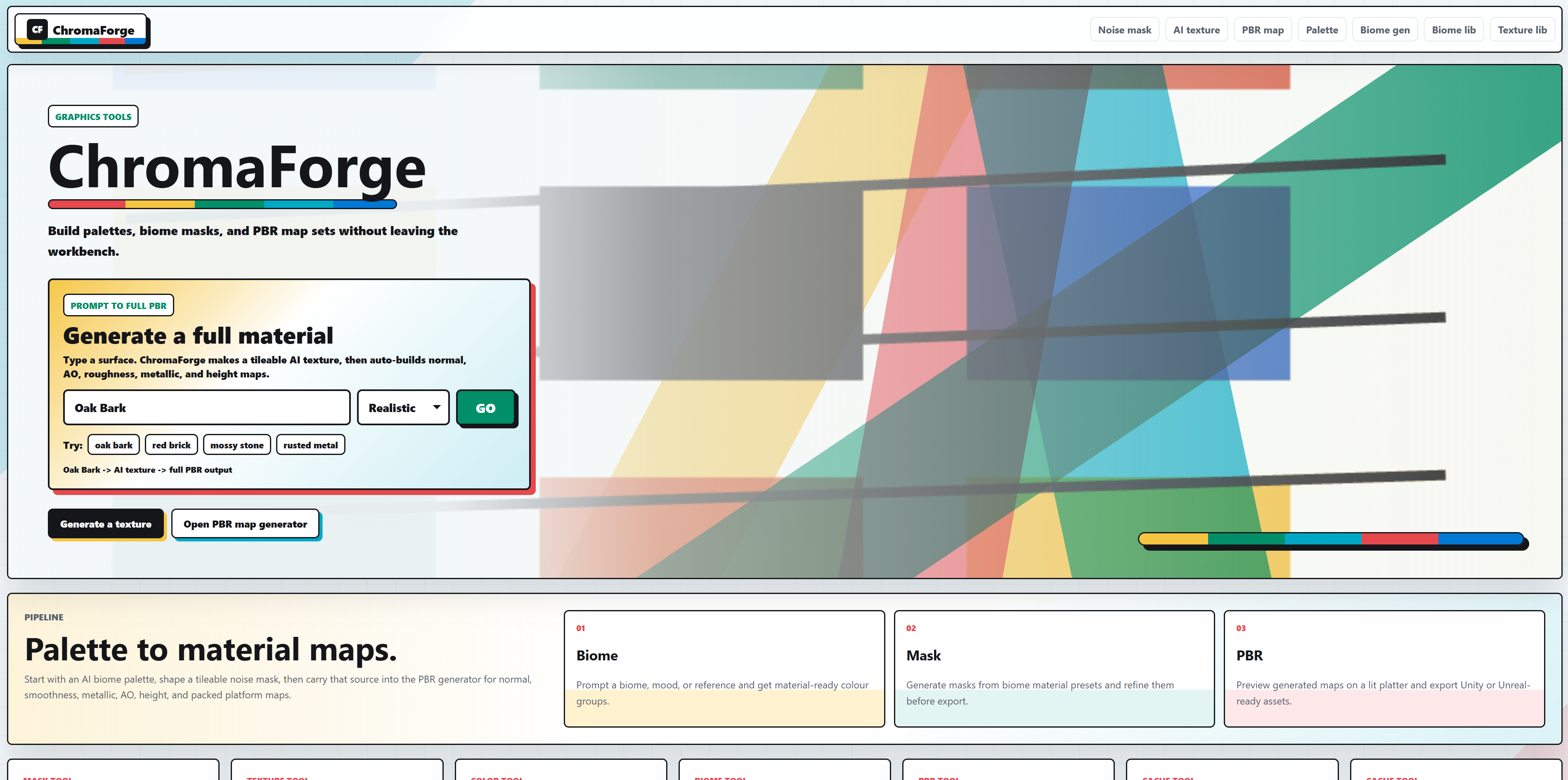
A PBR texture pipeline tool with AI integration, designed to make material creation faster, smoother and more user-friendly.
Rebuilt from a Python prototype into a Flask, HTMX and Three.js material workflow.
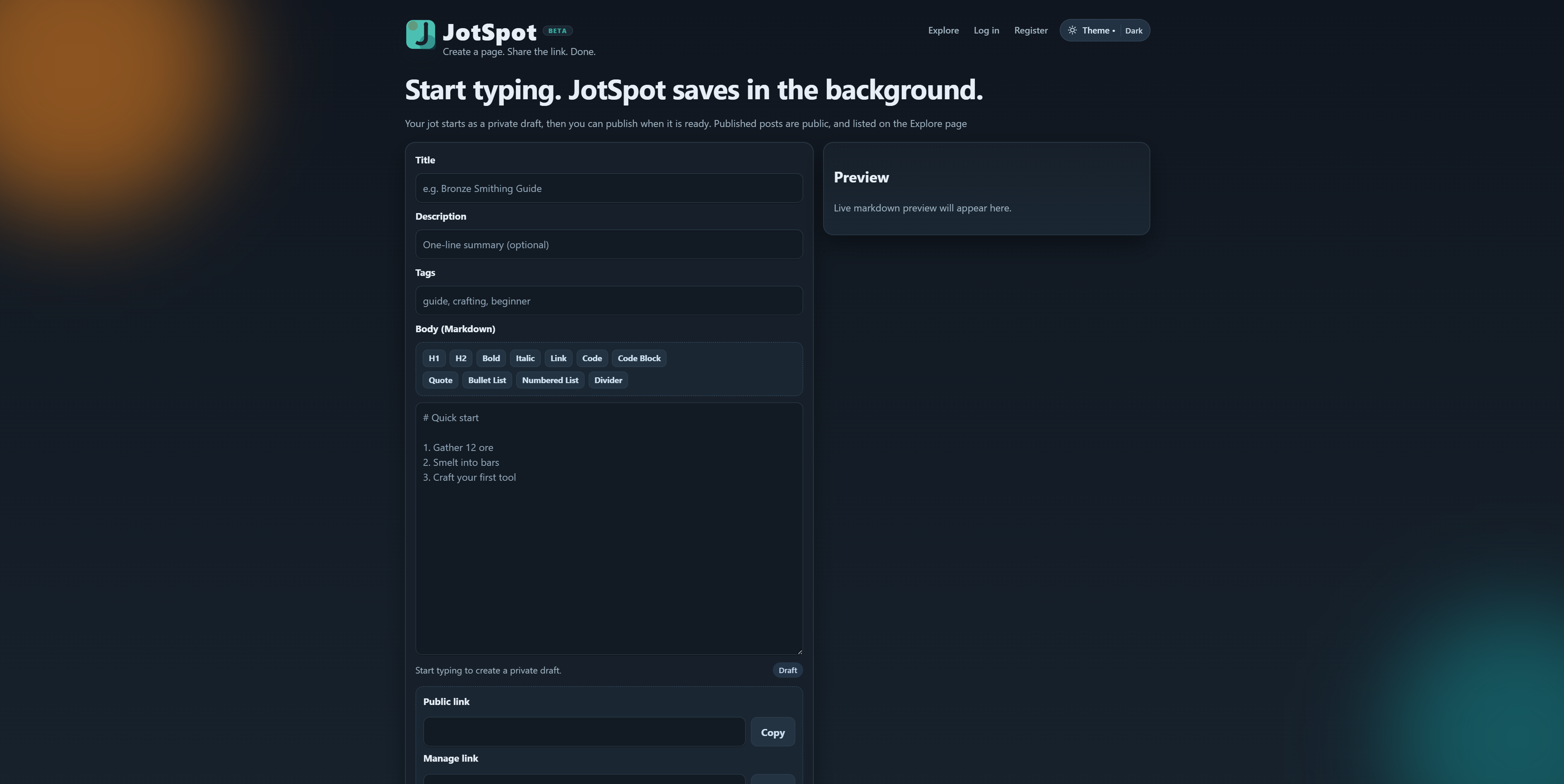
A fast note-sharing web app focused on simple publishing and clean writing.
PostgreSQL-backed publishing with auto-save, comments, likes, and CLI token workflows.
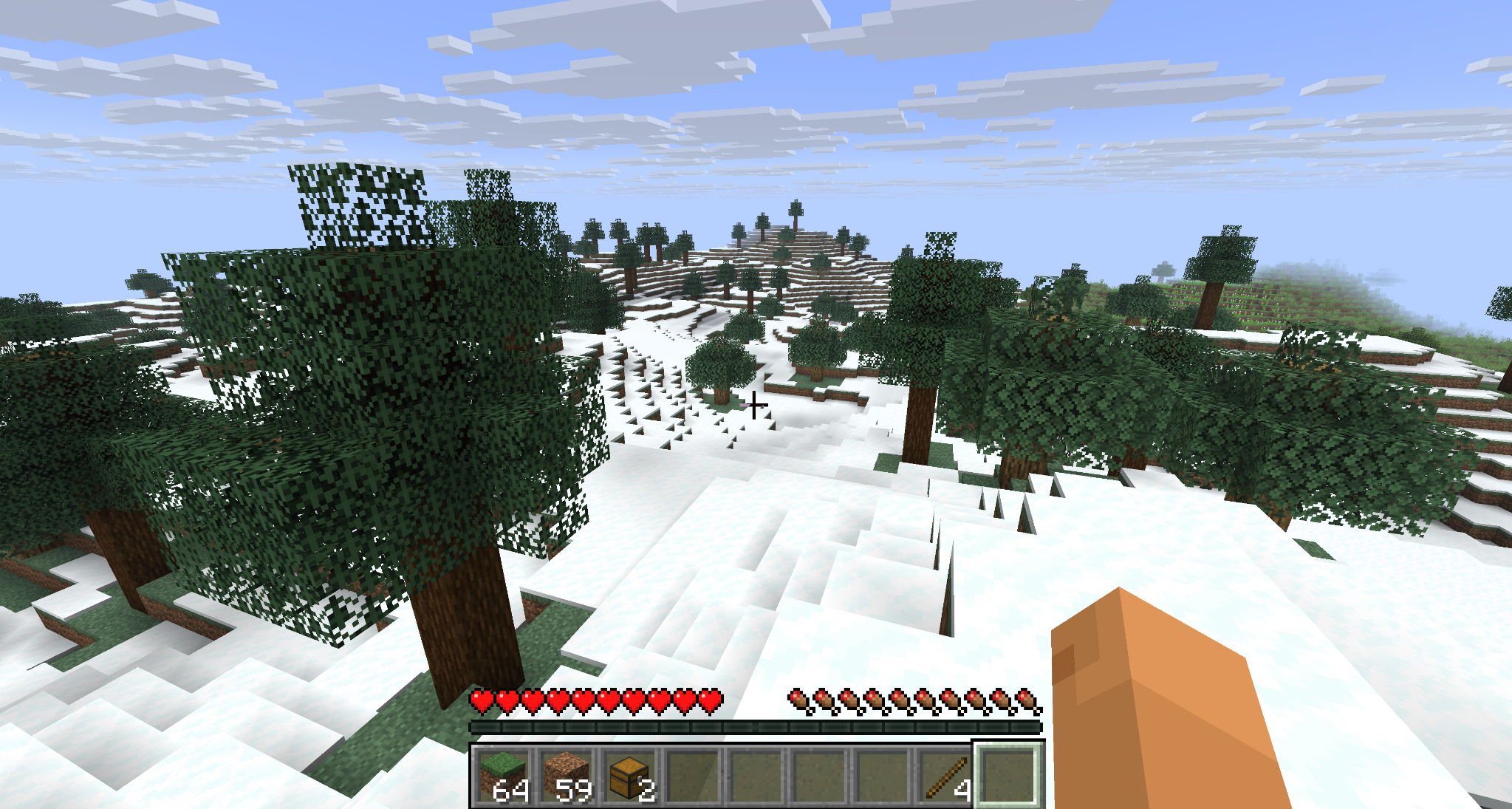
A fully custom Minecraft-compatible server written in Node.js, focused on procedural world generation, multithreaded chunk systems, custom lighting propagation and engine-level experimentation.
Custom Minecraft protocol implementation with procedural terrain generation, asynchronous chunk processing and real-time skylight propagation.
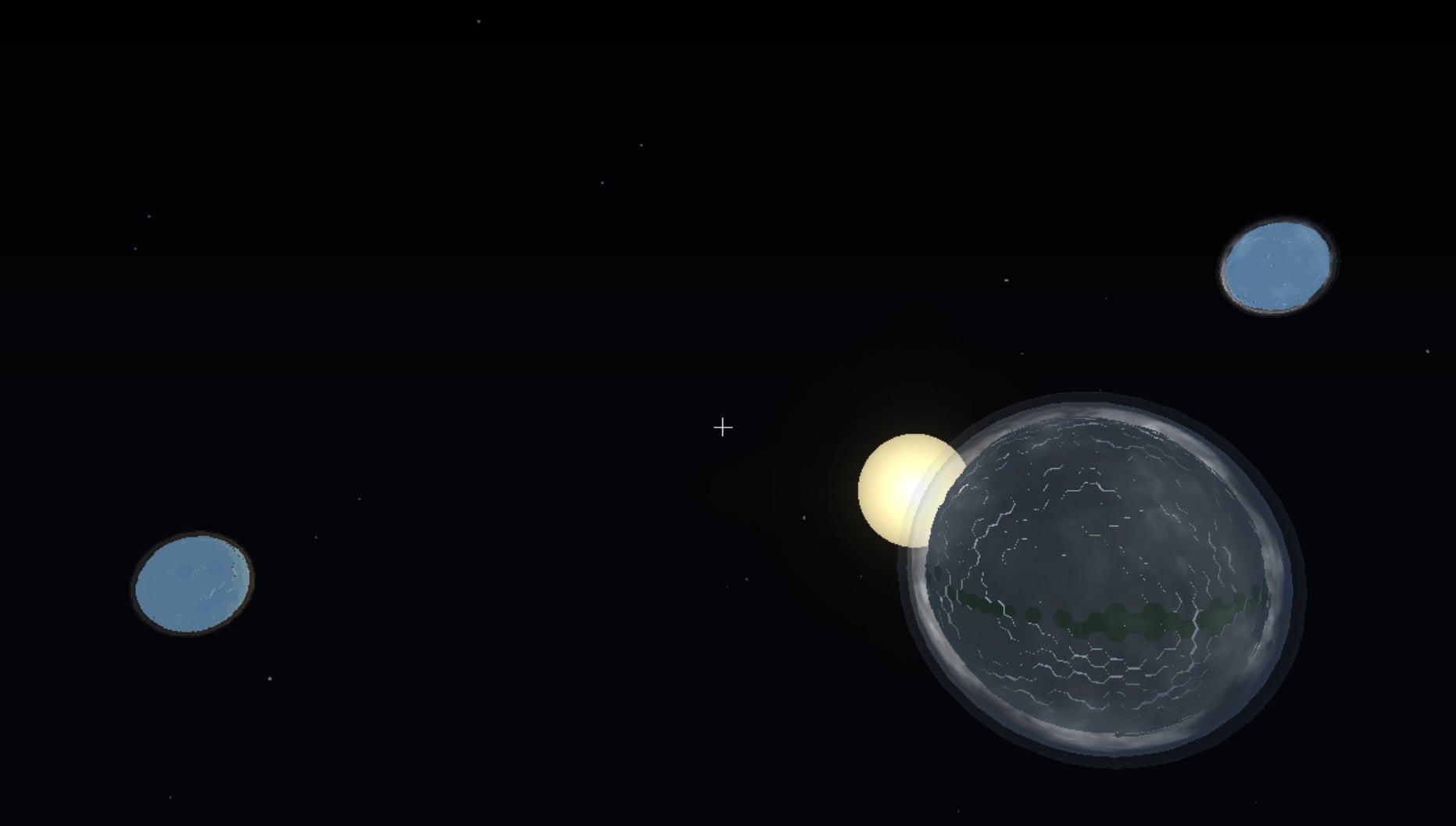
A voxel-based planetary engine built in C++ with DirectX 12, featuring procedural spherical worlds, chunk streaming and real-time terrain deformation.
DirectX 12 planetary voxel tests with chunk streaming and real-time terrain deformation.
Supporting work
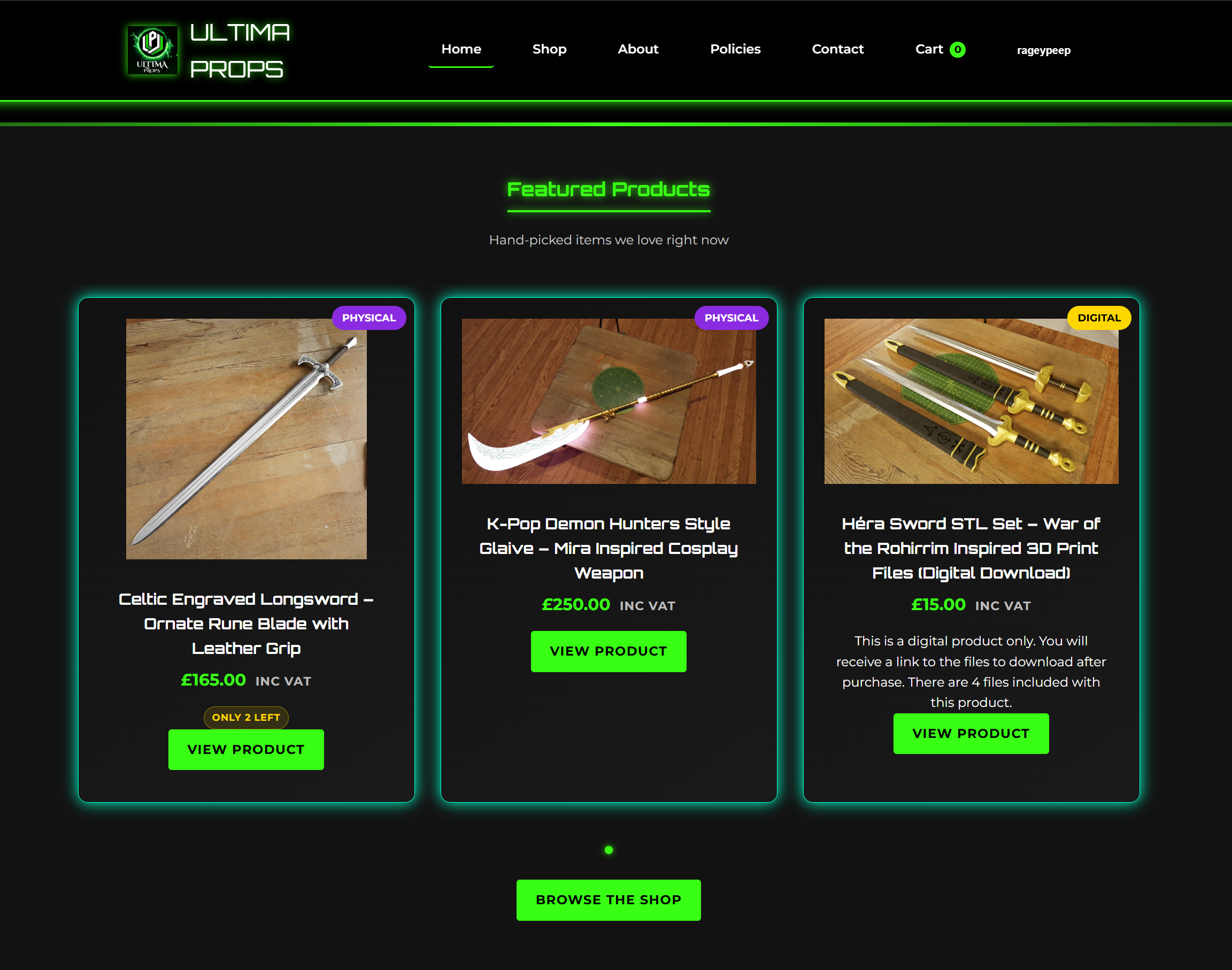
A custom-built e-commerce platform with a full admin backend, product management and flexible shipping logic.
E-commerce workflow covering storefront, admin, orders, Stripe, and downloads.
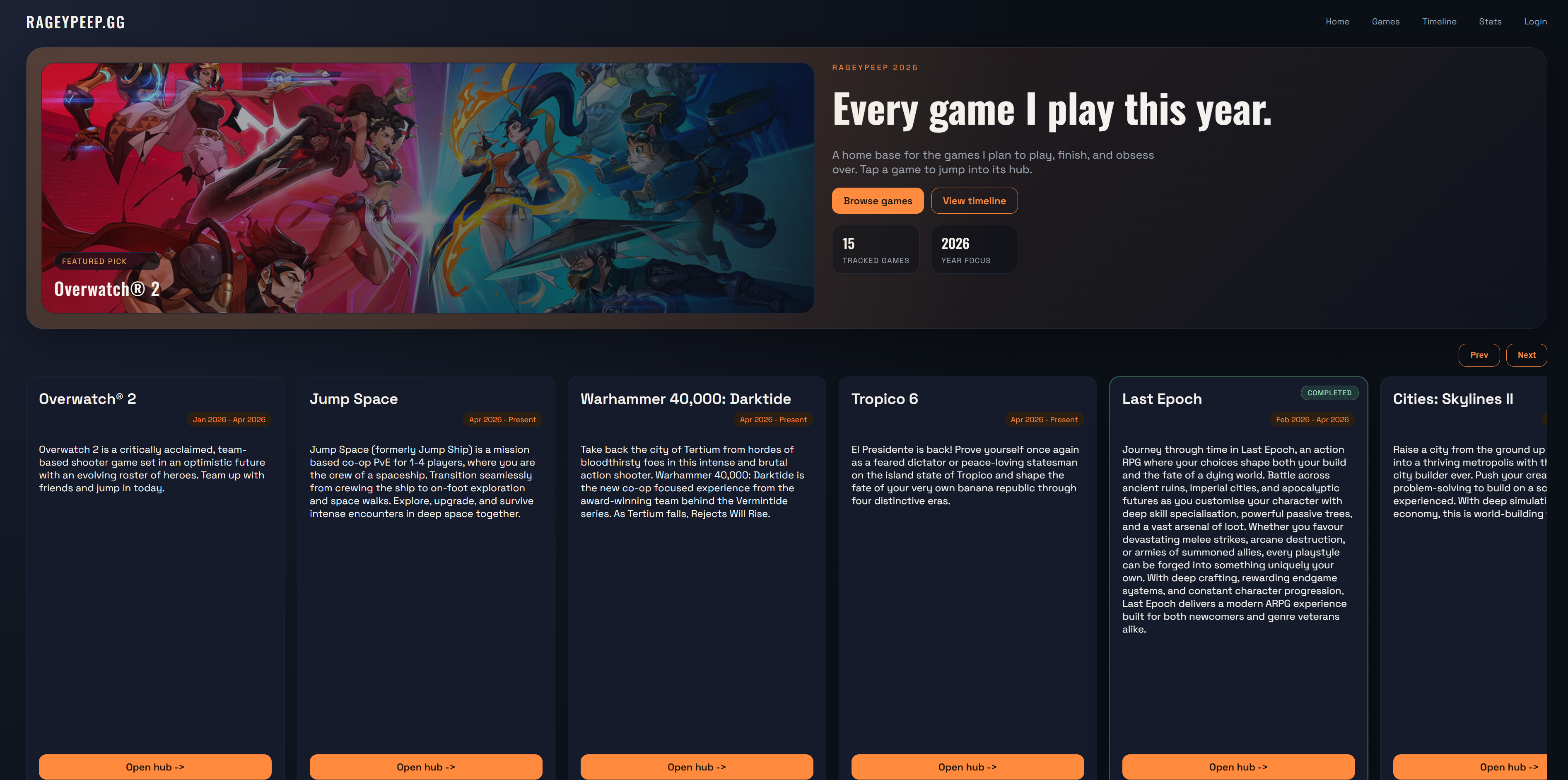
A custom-built gaming platform for tracking playthroughs, reviews and automatically generating game pages from live data.
Steam API data, cron sync, admin tools, and generated game pages running self-hosted.
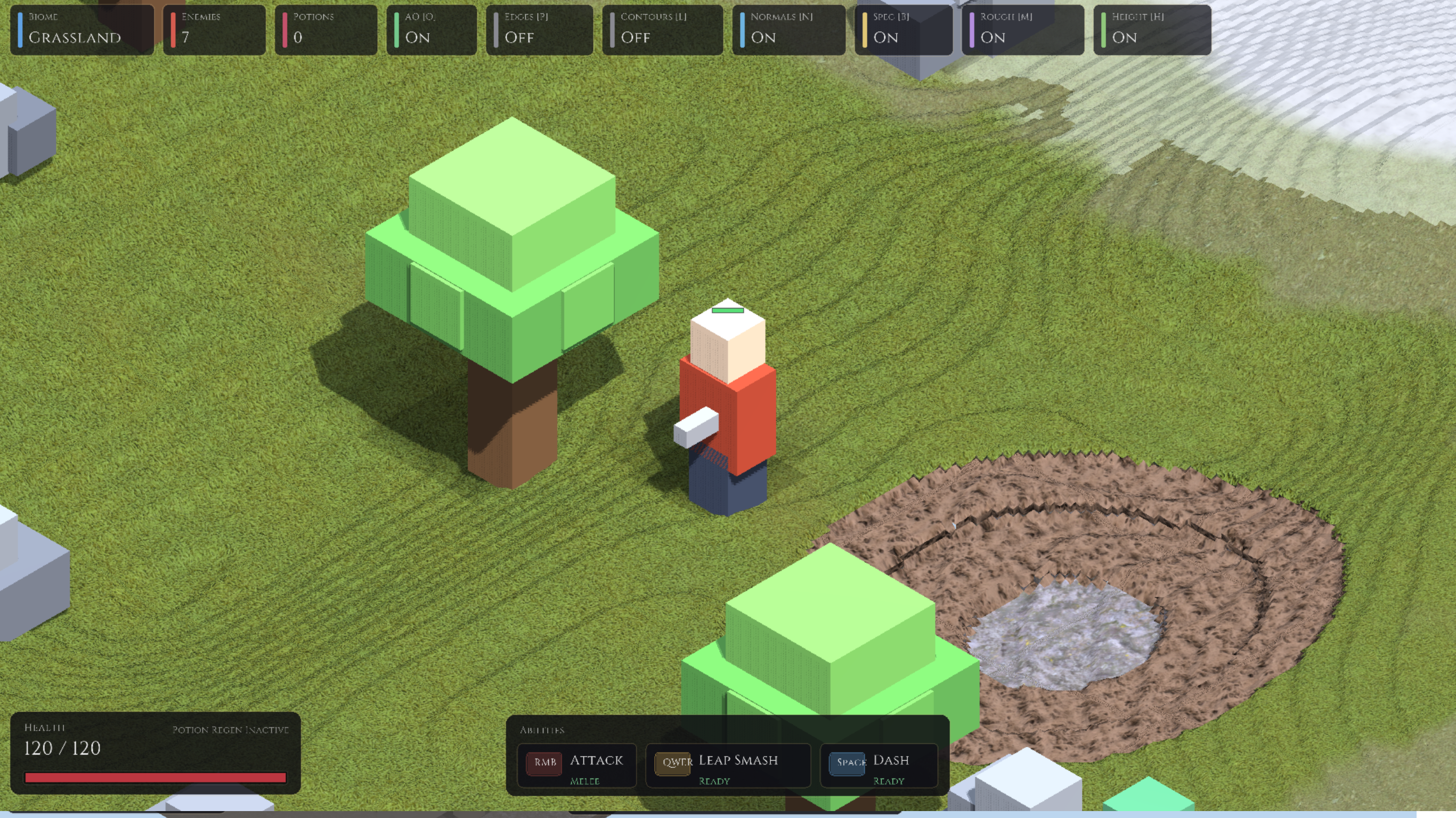
An isometric ARPG built in C++ with custom rendering, terrain deformation, procedural level generation and combat mechanics.
Multiple C++ engine iterations covering procedural levels, terrain deformation, and custom tools.
A Rust + Bevy prototype using real ocean heightmap data to simulate large-scale water environments.
A full-stack publishing prototype built with React, Express and PostgreSQL, exploring user-created pages and low-friction content sharing.
An early Python-based tool for generating PBR texture maps, created as a precursor to ChromaForge.
A custom React video player with a YouTube-inspired interface and dynamic ambient box-shadows driven by sampled colours from the video edges.
A React and Three.js experiment that generates a rounded voxel sphere, renders only visible faces, and merges geometry for more efficient real-time display.
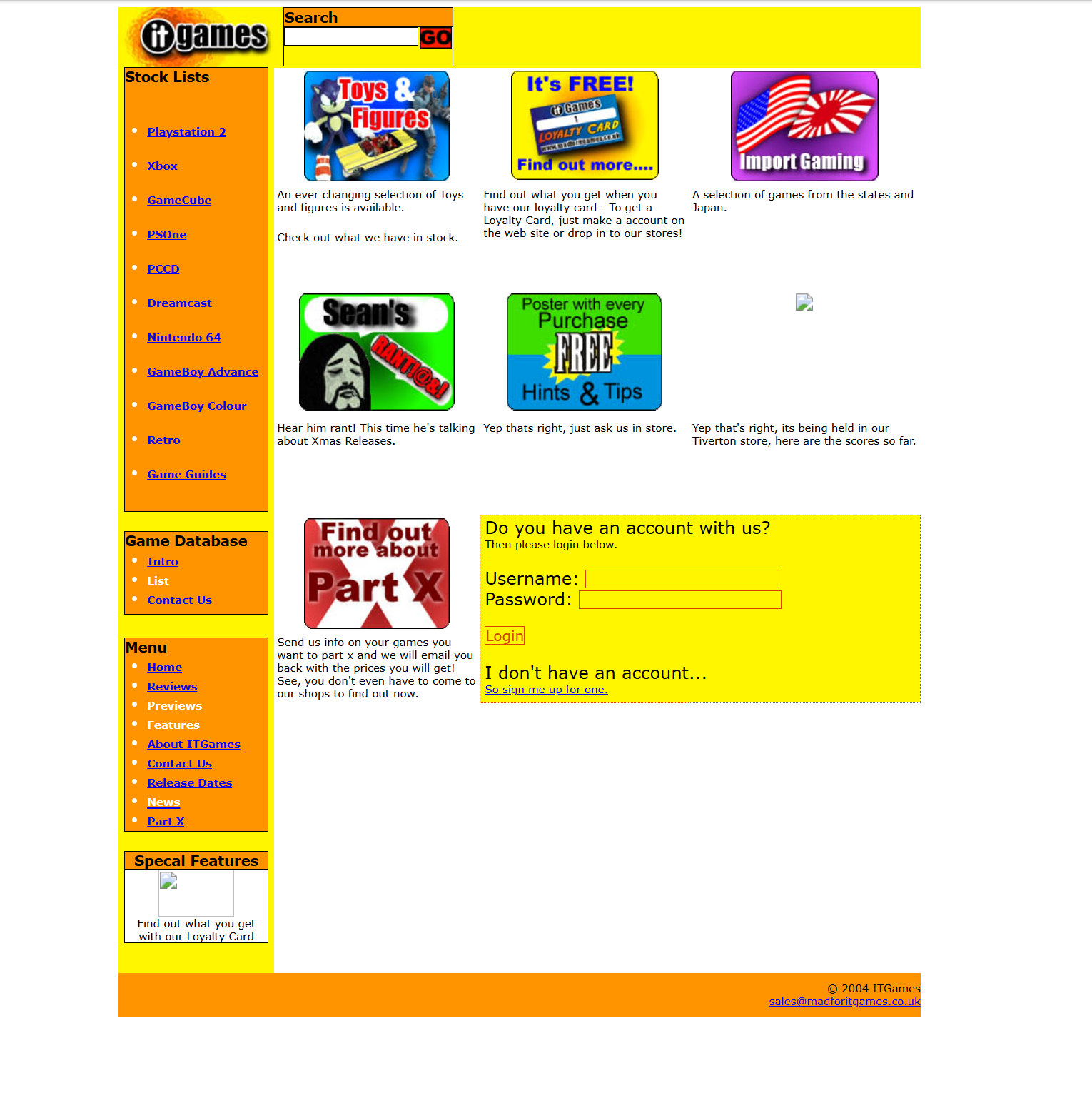
An early full-stack web project integrating a retail EPOS system with a dynamic ASP backend.
Developer profile
Web apps, creative tools, engine experiments, deployment, and the hardware they run on.
I build real, usable systems with a hands-on approach: clean interfaces, practical backend logic, and deployment that I can run and maintain.
My work spans Flask and HTMX applications, Nuxt presentation sites, C++ rendering experiments, and the self-hosted Docker/Caddy stack behind them.
Projects like ChromaForge and JotSpot focus on making useful tools feel fast and direct. The engine work pushes in the other direction: rendering, procedural worlds, chunk streaming, and performance where the details matter.
I also manage the server side myself, which keeps the work grounded. Deployment, reverse proxies, HTTPS, containers, logs, and updates are part of the same system, not an afterthought.
That practical approach carries over into hardware. I build and maintain my own machines, handle upgrades, and troubleshoot performance issues when software and hardware meet in messy ways.
Outside development, English pool keeps the same part of my brain busy: planning ahead, balancing risk, and refining technique over time.

Open signal
I work best on full-stack tools, server-rendered apps, self-hosted services, automation, and rendering-heavy experiments where the whole system matters.
Available for focused full-stack builds, internal tools, self-hosted systems, and performance-minded web apps.